


South Auckland Property Disputes Lawyers
Disputes about property and land are quite common. In this post we look at some work that South Auckland property disputes lawyers might get involved in. From building and renovation, tenancy issues both residential and commercial, shared ownership, and more.
Building And Renovation Disputes
 Building or construction disputes can be anything from a small extension on a house to a major industrial complex impacting the local community.
For example, a homeowner may feel that the work of the building contractor was defective or sub-standard. This is often easy to demonstrate, but not always. However, an excessive expenditure or time over run are much easier to show. The contractor in turn, might say that the client changed their plans during the construction which added extra cost or time to the build. If payment is withheld, that is an easy issue to show, but the alleged reasons may not be.
In any of these situations, South Auckland property dispute lawyers will need to collect a vast array of documents and evidence. These can be photographs, contracts, plans, inspection reports, Auckland Council documents, and all communications between the homeowner and the building company. They will review the evidence, and give their view on potential claims, and how to respond in the first place.
They will of course, be available for further action advice and legal help if needed.
Tenancy Disputes
Disputes between landlords and tenants are very common. The most common problems for a landlord are unpaid rent, or damage to a property, while for residential tenants, it is usually the condition of the accommodation or bond not returned. Other residential tenancy issues can be unlawful entry, Healthy Homes problems, delayed maintenance, or changing the locks.
For commercial tenancy, the same issues arise, but others are common too. For example, many tenants are required to carry out agreed maintenance such as redecorating every five years. They are also often required to return the building to the condition at the start of the tenancy. This can be as simple as removing signage, or more extensive remedial work like removing partition s or counters.
In commercial property, rent increases are often part of the tenancy agreement, but if the economic conditions change, an increase may not be affordable for the tenant. Negotiations may work, but often they do not so a commercial property lawyer might be hired to resolve the case.
Residential disputes are generally dealt with by the Tenancy Tribunal, but sometimes tenants may want to get legal advice and assistance before or during the case.
Shared Occupation
Many residential properties have shared occupation. This might be as simple as a married or de fact couple, or multiple owners of an apartment block or a big house that is sub-divided into smaller flats.
If a relationship ends, this has significant impacts on the ownership. For example, can one party take on the mortgage? What are the rightful financial values for each partner? And various other questions.
There can be disputes about the value of contributions to the purchase price, who paid what towards the mortgage payments, how were renovations funded, and each person’s beneficial interest.
Disputes can also arise between family members if they inherit or jointly occupy property.
Summary
 In all legal disputes, it pays to get early advice. This can correct any misunderstanding that you might have, saving you time, money, and stress.
On the other hand, good legal advice from South Auckland property disputes lawyers, can confirm that you have a good or rightful case.
If you are facing any such situation, contact a law firm like McVeagh Fleming. You can get more details from their website.
 Besides the actual building service providers, there are external issues like third parties such as Auckland Council, environmental issues, challenges under the RMA, and possibly others.
 From small renovations to multi-storey office blocks, construction disputes are common.

 The old cliché is that a house is the biggest expense that most people ever make. In fact, the cost isn’t simply the price that you pay for the house because you will most likely have a loan from a bank or mortgage provider, and they will be charging interest. Over the life of the loan, this is generally about the same as the price you paid for the house!
 After the signing and exchange of contracts, your lawyer will progress the documents to the lender, make sure that mortgage documents are received and signed, and then arrange for the transfer of funds from the lender to your seller’s lawyer.
 For a couple to obtain a divorce, the parties must have lived separately for two years. After that time, either of the parties may apply for a divorce.
 Divorce is usually difficult for those who struggle with letting go of the inevitable. A divorce coach can provide the emotional support you need during the legal process of separation.
 There are often children involved in a separation. Care of any children by one or both parents can be a problem. The
 However, that does not mean that family lawyers can be soft or appeasing. They often have to tell their client that the client’s views are not correct. This is especially common with regard to relationship property. One party may feel they are entitled to more of the matrimonial assets than is the case. Under New Zealand law, each party is entitled to half of the join assets from the duration of the relationship.
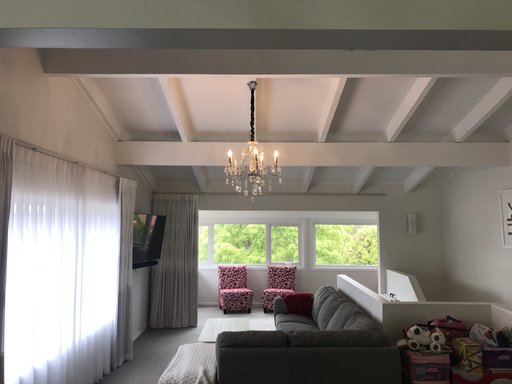 A fresh coat of paint and interior painting are the easiest ways for making your home like new. You can update the existing colors or add a new trendy color scheme. If you have teenagers in your house, there might be signs of wear and tear and grubby finger marks. A top-quality interior paint job will give you and your home a new lease of life.
 You are a newbie, and you do not know what happens in this field? The
 Before you buy any property, a lawyer can conduct a study of the property you have your eyes on. They have lots of market knowledge from the transactions they carry out so they can advise you about your intended purchase.



 The initial meeting with the representative will be vital. It’s the stage you get to know whether he or she is a good fit. Although a lawyer may look great on paper or is highly recommended, they might not be the best fit for you and so, it’s important that you do your homework. Even if they have had an excellent relationship with a friend or colleague, it is important to see if they listen to you and whether they will be able to solve the situation at hand. Only then should you consider picking the attorney for debt collection purposes.